From Dull to Dazzling: Paint Correction Secrets Before Ceramic Coating in Boca Raton in Ceramic Coating Boca Raton, FL
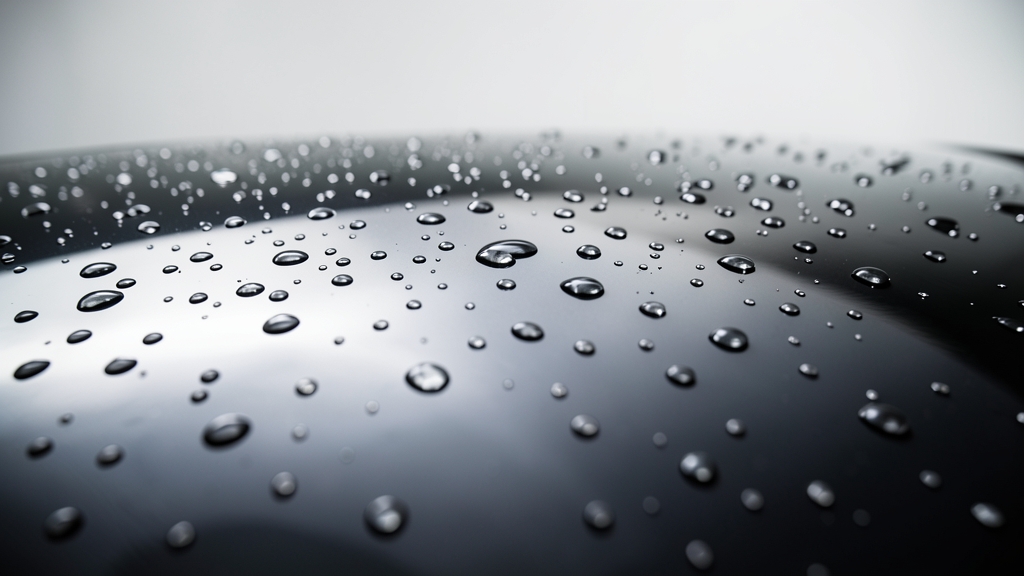
A flawless ceramic coating starts with flawless paint. In Boca Raton’s harsh sun and salty air, even minor imperfections become glaring under that high-gloss finish. We reveal the paint correction secrets that transform dull, swirled surfaces into the perfect canvas for long-lasting ceramic protection.
Why Paint Correction Is Non-Negotiable Before Ceramic Coating
Ceramic coatings bond permanently to your clear coat—locking in every scratch, swirl, and water spot beneath a glass-like layer. Skipping correction means amplifying imperfections, not hiding them.
Boca Raton’s intense UV and salt air accelerate paint degradation. Correction removes oxidation and etches that would otherwise compromise coating adhesion and longevity.
Applying ceramic coating over uncorrected paint may void manufacturer coverage. The surface must be defect-free for the coating to perform as intended.
Common Paint Defects We Tackle in South Florida Vehicles
Swirl marks from automatic car washes are the most frequent culprit. These fine, circular scratches scatter light, killing depth and clarity.
Water spots—especially from Boca Raton’s hard water—etch into clear coat if left untreated. They require wet-sanding or compounding to fully remove.
Oxidation turns paint chalky, particularly on hoods and roofs exposed to relentless sun. This requires aggressive compounding followed by polishing.
The Paint Correction Process: Step-by-Step Precision
We begin with a thorough decontamination: iron-removing spray, clay bar, and IPA wipe-down to strip all surface contaminants. This reveals the true condition of the paint.
Next, we measure paint thickness with a gauge to ensure we stay within safe limits during compounding. Thin paint—common on older or repainted panels—requires a gentler approach.
Compounding cuts through defects, while polishing refines the surface to a mirror finish. We use dual-action polishers and microfiber pads tailored to the paint’s hardness.
Compounding vs. Polishing: Know the Difference
Compounding is the heavy lifting—using abrasive compounds to remove a controlled layer of clear coat and eliminate deep scratches, oxidation, or water spots.
Polishing is the finesse step. It refines the surface with finer abrasives to enhance gloss and clarity, removing the haze left by compounding.
| Aspect | Compounding | Polishing |
|---|---|---|
| Purpose | Remove deep defects | Enhance gloss and clarity |
| Abrasive Grit | Coarse (800-2000+) | Fine (3000-8000+) |
| Cut Level | High | Low to Medium |
| Resulting Finish | Hazy, matte | Glossy, reflective |
| Tools Used | Dual-action or rotary polisher with wool/cutting pads | Dual-action polisher with foam/polishing pads |
Boca Raton-Specific Challenges in Paint Correction
Salt air from the coast accelerates corrosion, especially on wheel wells and lower panels. We pay extra attention to these areas during decontamination and correction.
The region’s high humidity can cause water spots to form within hours after a wash. Immediate drying and regular maintenance are critical to prevent etching.
Palm pollen and tree sap are seasonal nuisances. If not removed quickly, they can stain paint and require more aggressive correction techniques.
Rinse your vehicle with distilled water after washing to prevent mineral deposits. It’s a simple step that saves hours of correction work later.
How Paint Correction Elevates Ceramic Coating Results
A perfectly corrected surface ensures the ceramic coating bonds uniformly. This maximizes durability, hydrophobic properties, and that sought-after candy-gloss shine.
Without correction, coatings can highlight imperfections, making swirls and scratches more noticeable under direct light. The prep work is what separates good results from extraordinary ones.
For vehicles in Delray Beach, Deerfield Beach, or Highland Beach, where salt exposure is high, correction also removes embedded contaminants that could degrade the coating prematurely.
When Paint Correction Isn’t Enough: The Role of Paint Protection Film
For vehicles with deep scratches or chips, paint correction alone may not suffice. Paint Protection Film (PPF) can be applied to high-impact areas before ceramic coating for an extra layer of defense.
We often recommend PPF for front bumpers, hoods, and fenders in Boca Raton, where road debris and sand are common. The film absorbs impacts, while the ceramic coating adds gloss and ease of maintenance.
Combining PPF with ceramic coating is the ultimate protection strategy for luxury or high-mileage vehicles in Parkland or Coconut Creek.
Signs You Need PPF Before Ceramic Coating
- Visible rock chips or deep scratches
- Frequent highway driving (increased debris exposure)
- Previous paint repairs or touch-ups
- Desire for self-healing properties (available in some PPF)
How to Maintain Your Paint Correction Before Ceramic Coating
Proper maintenance between correction and coating ensures a pristine surface for the ceramic layer.
- 1Avoid Automatic Car Washes
Use touchless or hand-wash methods only. Brushes from automatic washes introduce new swirls and defeat the purpose of correction.
- 2Use pH-Balanced Car Soap
Harsh detergents strip wax and can degrade corrected surfaces. Stick to high-quality, pH-neutral automotive shampoos.
- 3Dry Thoroughly After Washing
Use a clean microfiber towel to prevent water spots. In Boca Raton’s humidity, leaving water to air-dry risks etching.
- 4Store Indoors or Use a Car Cover
UV rays and salt air can re-oxidize corrected paint. Park in a garage or use a breathable cover until the coating is applied.
- 5Avoid Wax or Sealants
These can leave residues that interfere with ceramic coating adhesion. Skip them entirely after correction.
Frequently Asked Questions
How long does paint correction take before ceramic coating in Boca Raton?
Timing depends on the vehicle’s condition. A light correction with minor swirls may take 6-8 hours, while heavy oxidation or deep scratches can require 2-3 days. We always assess the paint first to provide an accurate estimate.
Can paint correction remove all scratches?
It depends on the depth. Surface-level scratches and swirls can be fully removed. Deeper scratches that penetrate the clear coat may need wet-sanding or touch-up paint. We’ll advise the most suitable approach during inspection.
Is paint correction necessary for a new car before ceramic coating?
Even new cars often have dealer-inflicted swirls, rail dust, or factory defects. A light correction ensures the ceramic coating adheres to a pristine surface, enhancing gloss and longevity. It’s a small investment for maximum results.
What’s the cost difference between paint correction and ceramic coating in Boca Raton?
Cost varies based on vehicle size, paint condition, and the level of correction needed. Factors include the number of stages (1-step vs. 3-step correction), paint hardness, and whether PPF is added. Request a quote for precise pricing tailored to your vehicle.
How often should I reapply ceramic coating after paint correction?
Professional-grade ceramic coatings last 2-5 years, but Boca Raton’s climate can shorten this lifespan. Regular maintenance washes and annual inspections help extend durability. Reapplication timing depends on wear, exposure, and the coating’s quality.
Do you offer paint correction and ceramic coating for fleets or commercial vehicles?
Yes, we provide fleet and commercial vehicle coating services, including paint correction, ceramic coatings, and PPF. These services are ideal for businesses in Coconut Creek, Parkland, or Delray Beach looking to protect their brand image and resale value.